
EPS vs PU vs Rock Wool: Which Insulation Is Best?
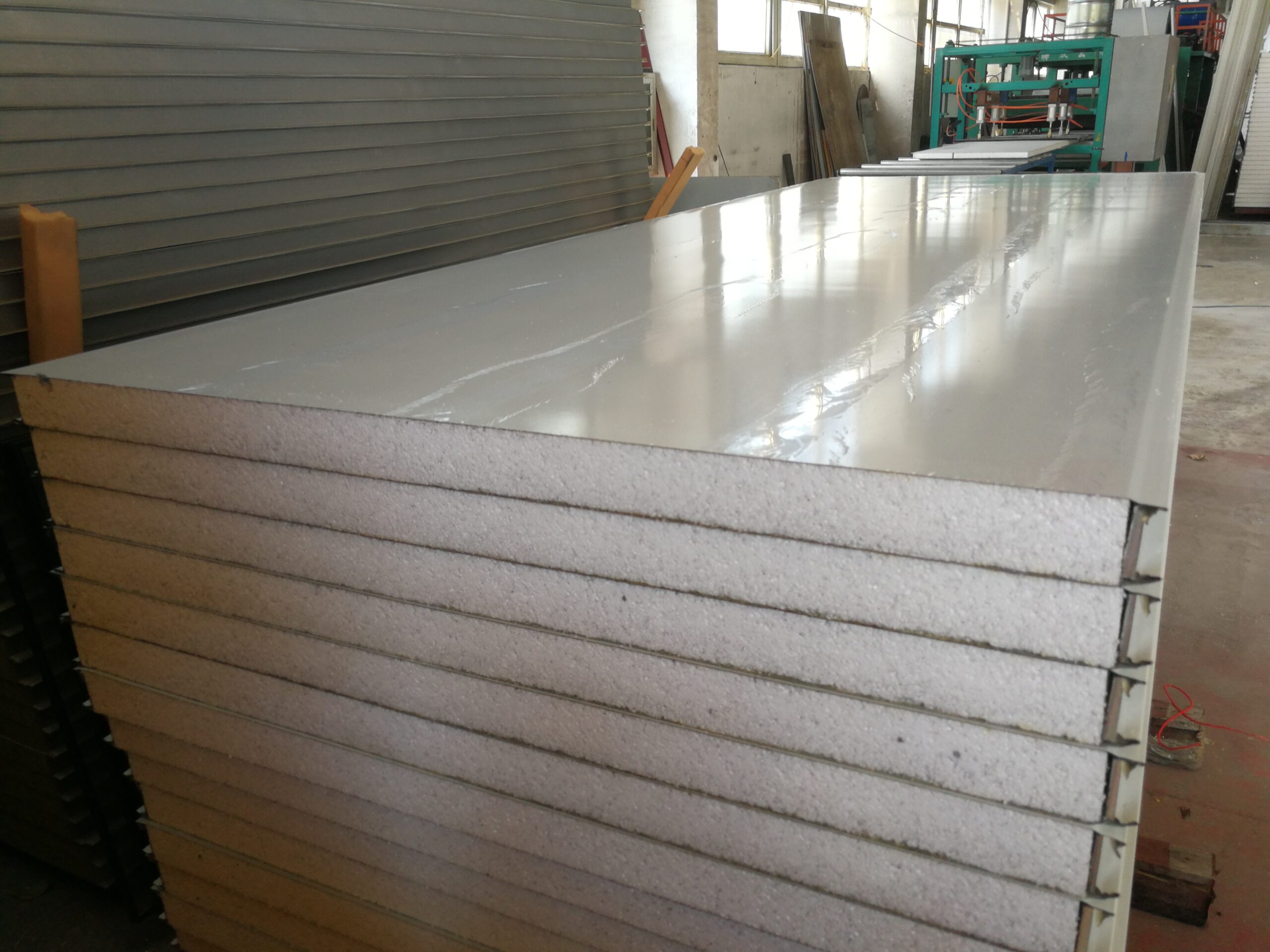
EPS, PU and Rock Wool: What Are the Differences?
✔ EPS: Lightweight and Cost-Effective
EPS (Expanded Polystyrene) is a lightweight insulation material widely used in prefab and modular buildings. Its main advantages are low weight, easy installation, and competitive cost.
For projects where budget, transportation efficiency, and basic thermal insulation are important, EPS sandwich panels can provide a practical solution.
Key advantages:
• Lightweight and easy to handle
• Cost-effective
• Good basic thermal insulation
• Suitable for temporary and semi-permanent buildings
• Easy to process and install
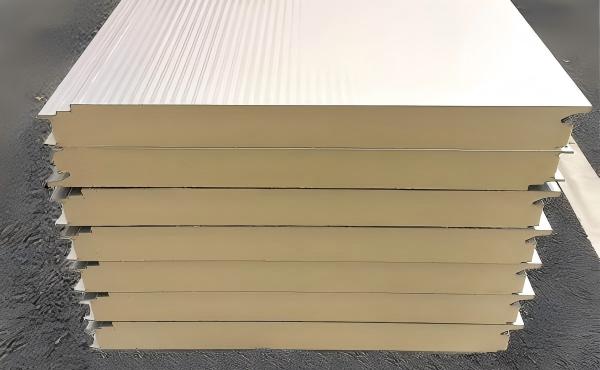
✔ PU: High Thermal Insulation Performance
PU (Polyurethane) sandwich panels provide stronger thermal insulation performance than many conventional lightweight insulation materials. Their relatively low thermal conductivity allows thinner panels to achieve good insulation performance.
PU panels are particularly suitable for expandable container houses, residential units, offices, and accommodation projects where indoor temperature control and energy efficiency are important.
Key advantages:
• Excellent thermal insulation
• Good energy efficiency
• Relatively thin panel design
• Suitable for hot and cold climates
• Ideal for residential and commercial applications
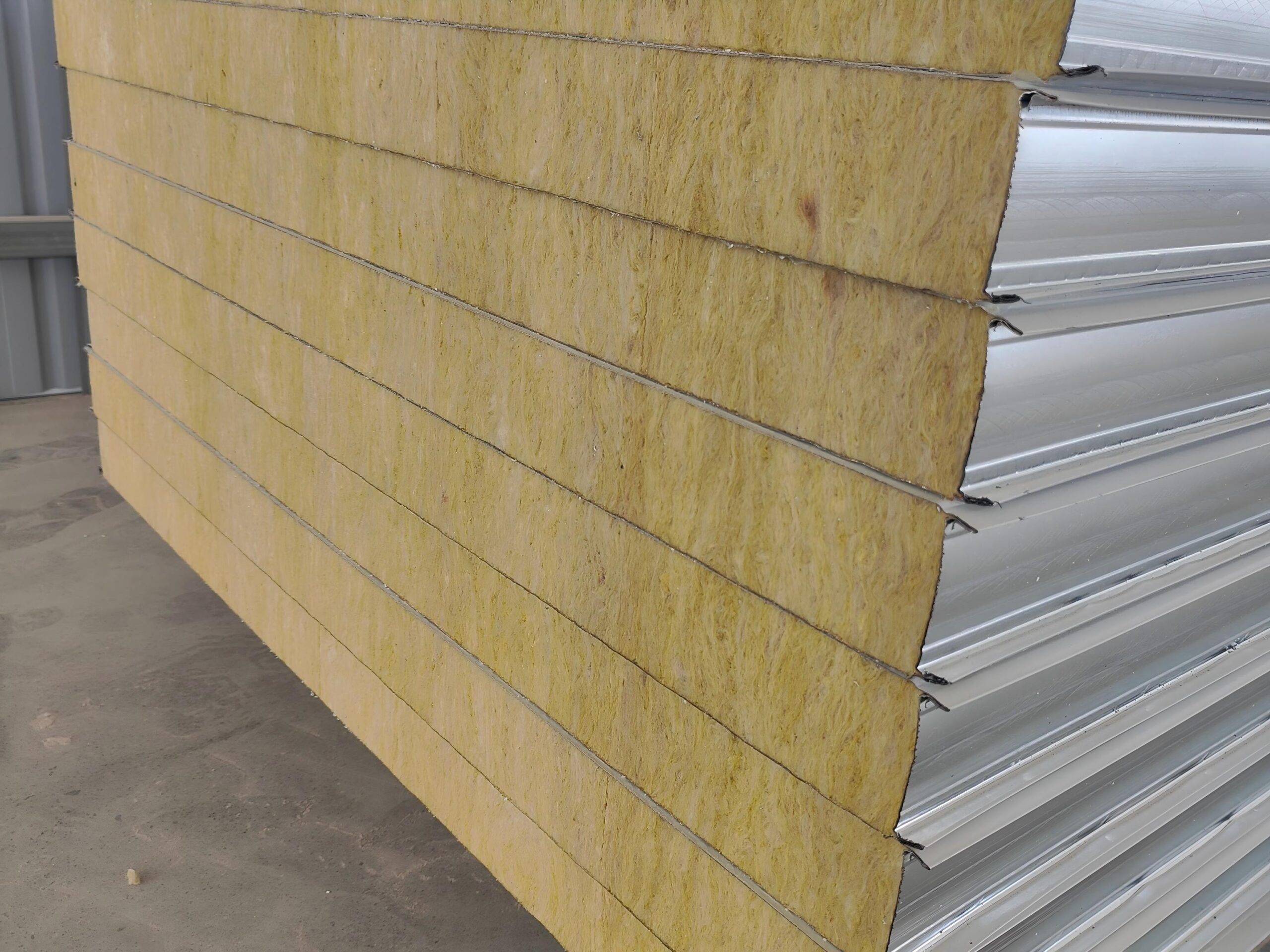
✔ Rock Wool: Excellent Fire Resistance
Rock Wool, also known as mineral wool, is manufactured from mineral-based fibers and is widely selected when fire safety is a major consideration.
Compared with EPS and PU, Rock Wool panels generally offer stronger fire-resistant properties while also providing thermal and acoustic insulation. They are suitable for worker accommodation, public facilities, commercial buildings, and projects with stricter fire-safety requirements.
Key advantages:
• Excellent fire resistance
• Good thermal insulation
• Good sound insulation
• Suitable for projects with higher fire-safety requirements
• Durable solution for modular buildings
Which Insulation Material Is Best for an Expandable Container House?
✔ EPS: A Cost-Effective Choice
EPS is lightweight, affordable, and provides good basic thermal insulation. It is suitable for budget-conscious projects, temporary buildings, construction camps, and basic accommodation where cost and transportation efficiency are important.
✔ PU: Excellent Thermal Performance
PU offers excellent thermal insulation with a relatively lightweight and compact panel structure. It is a strong choice for residential expandable container houses, offices, worker accommodation, and projects in hot or cold climates where indoor temperature control and energy efficiency are priorities.
✔ Rock Wool: Fire and Sound Performance
Rock Wool provides good thermal insulation together with excellent fire resistance and sound insulation. It is particularly suitable for worker accommodation, public facilities, commercial buildings, and projects with higher fire-safety or acoustic requirements.
How to Choose the Right Material?
For projects where cost and lightweight construction are priorities, EPS can be a practical solution. If thermal insulation and energy efficiency are more important, PU is often a better choice. When fire safety and acoustic performance are key considerations, Rock Wool is worth considering.
The final insulation performance also depends on the complete building system, including panel thickness, density, steel structure, joints, doors, windows, roof, floor, and installation quality. Therefore, insulation material should always be selected according to the specific project requirements rather than based on material type alone.
Choosing the Right Insulation for Different Applications Residential & Accommodation Projects
✔ Residential & Accommodation Projects
For expandable container houses used as homes, dormitories, worker accommodation, or guest rooms, thermal comfort is especially important. PU sandwich panels can be a suitable option where higher insulation performance and energy efficiency are required.
✔ Construction Camps & Temporary Offices
For construction sites, worker camps, and temporary offices, project budgets and installation efficiency are often major considerations. EPS panels can provide a practical balance between insulation performance, weight, and cost.
✔ Resorts, Glamping & Tourism Projects
For resorts, glamping sites, and tourism accommodation, both thermal comfort and indoor acoustic performance can influence the guest experience. PU or Rock Wool insulation can be considered depending on the local climate and project requirements.
✔ Projects with Higher Fire-Safety Requirements
For schools, public facilities, worker accommodation, and projects where fire safety is a key consideration, Rock Wool sandwich panels can provide an additional level of fire-resistant performance. The final specification should always follow local fire codes and project regulations.
✔ Why Insulation Matters for GreenSpace Expandable Container Houses
A high-quality expandable container house is more than a steel frame and exterior panels. The complete building envelope—including wall panels, roof insulation, floor structure, doors, windows, sealing, and ventilation—works together to determine the final indoor environment.
GreenSpace can provide different insulation and panel configurations according to project requirements, including climate, application, budget, and local standards. This allows expandable container houses to be customized for residential projects, worker camps, offices, resorts, and other modular building applications.
✔ Final Thoughts
EPS, PU, and Rock Wool each have their own advantages. EPS focuses on affordability and lightweight construction, PU provides strong thermal insulation and energy-efficiency performance, while Rock Wool offers excellent fire and acoustic performance.
Instead of simply choosing the cheapest or most advanced material, the best approach is to select an insulation system that matches the climate, application, safety requirements, and project budget. With the right combination of insulation, structure, and building design, an expandable container house can provide a comfortable, efficient, and reliable modular living or working space.