
How Are Container Houses Insulated? Materials, Structure & Energy Efficiency Explained
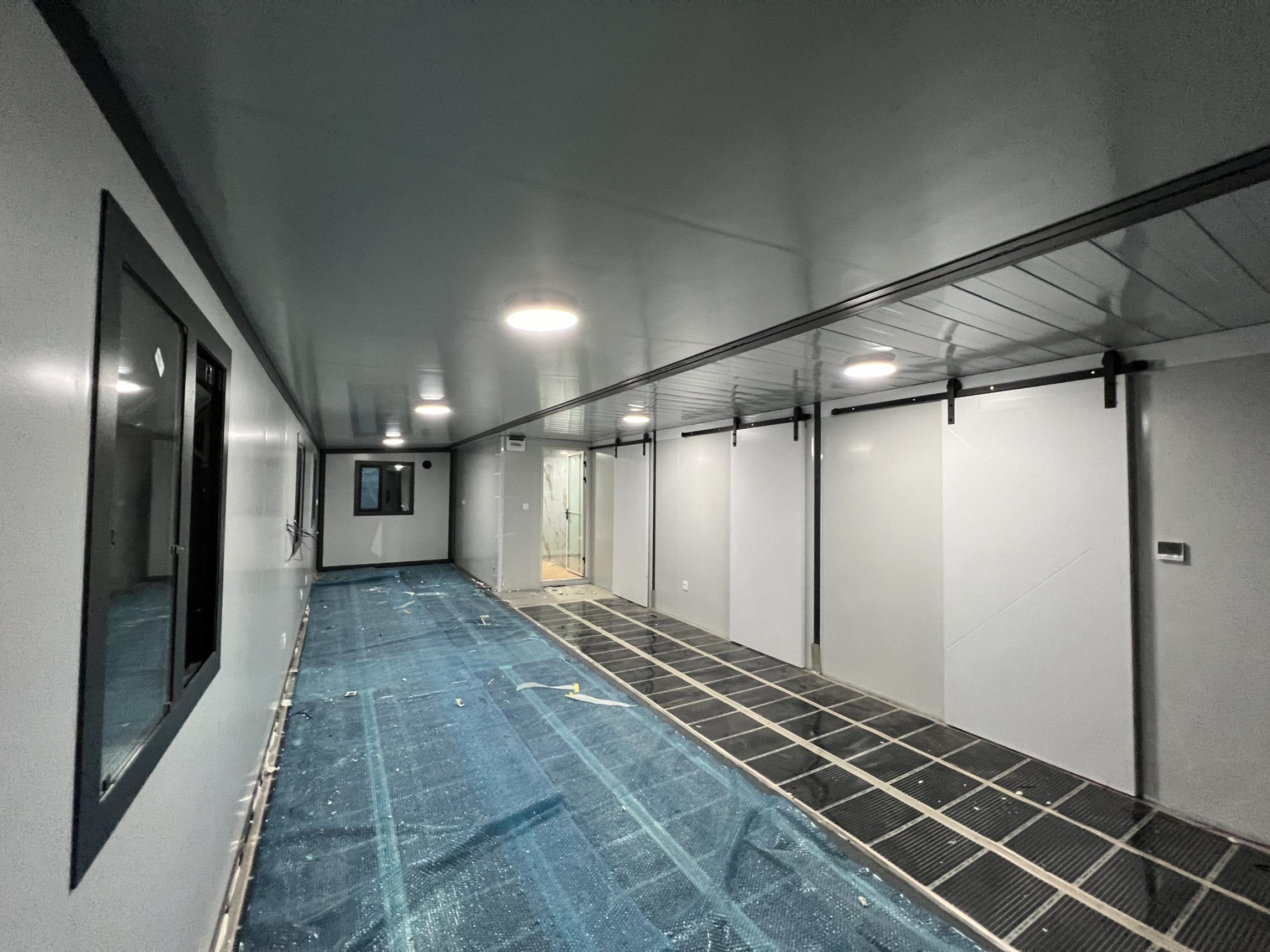
Insulation Materials & Building Structure
✔ Wall Insulation
Container houses typically use sandwich panels with insulation materials such as rock wool, EPS, PU, or PIR. The insulation layer creates a thermal barrier between the indoor and outdoor environments, helping reduce heat transfer.
✔ Roof Insulation
The roof is especially important in hot or cold climates. A properly insulated roof helps reduce solar heat gain in summer and heat loss in winter, improving overall indoor comfort.
✔ Floor Insulation
Insulation within the floor structure reduces heat transfer between the interior and the ground or foundation. This is particularly important for residential and accommodation units designed for year-round use.
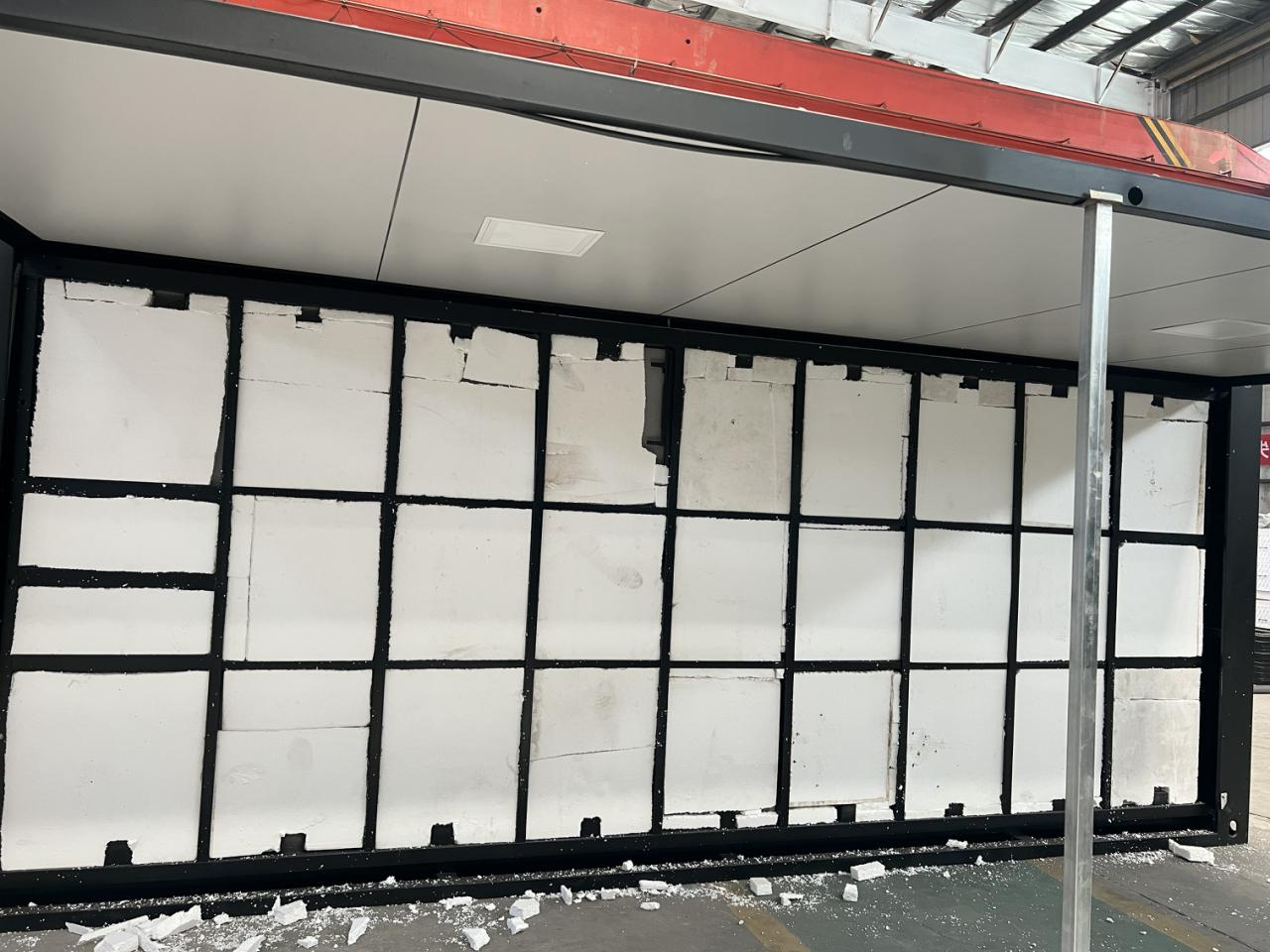
Insulation Performance Beyond Materials
✔ Energy-Efficient Doors & Windows
Double-glazed windows, insulated frames, and quality sealing systems can reduce heat transfer and air leakage while improving indoor comfort.
✔ Airtightness & Thermal Bridges
Proper sealing around wall joints, roof connections, doors, windows, and service openings helps prevent unwanted air leakage. Careful treatment of steel connections can also reduce thermal bridging.
✔ Factory Prefabrication
Factory manufacturing allows insulation panels, wall systems, doors, windows, and other components to be produced with consistent quality and accurate dimensions. This helps reduce installation errors and improve the overall insulation performance of the finished building.
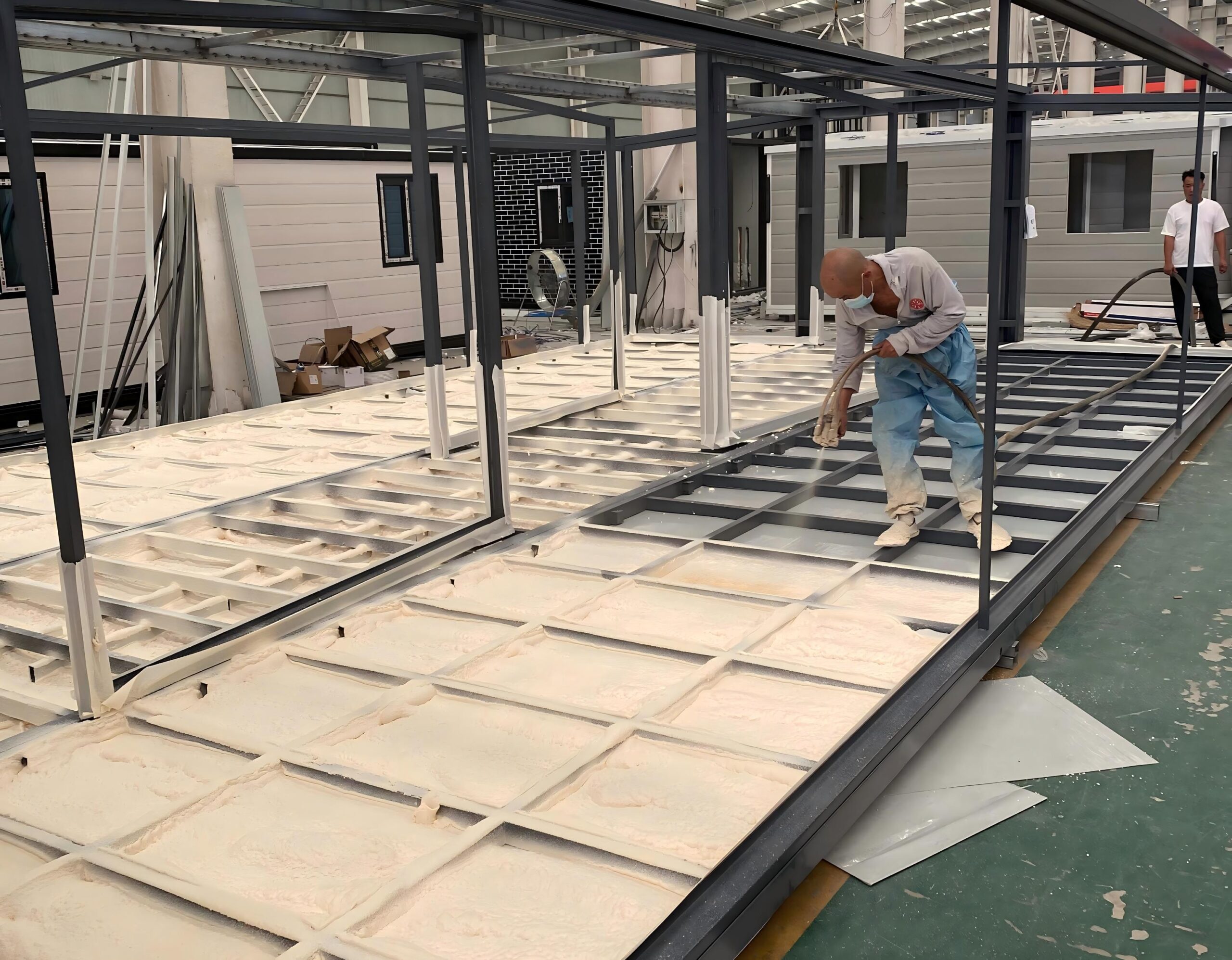
Insulation for Different Climates & Applications
✔ Cold Climates
Thicker insulation, high-performance windows, airtight construction, and efficient heating systems can help reduce heat loss and maintain comfortable indoor temperatures.
✔ Hot Climates
Roof insulation, reflective materials, ventilation, shading, energy-efficient windows, and air conditioning can work together to reduce heat gain and indoor cooling demand.
✔ Expandable Container Houses
For expandable container houses, insulation can be integrated into the expanded walls, roof, floor, doors, and windows. The insulation configuration can be customized according to the local climate, building standards, and intended application.
✔ Conclusion
Effective container house insulation is a combination of quality insulation materials, proper wall and roof structures, floor insulation, energy-efficient windows and doors, airtight sealing, and professional manufacturing. With the right design, container houses can provide comfortable, energy-efficient, and practical spaces for residential, commercial, accommodation, and temporary projects.